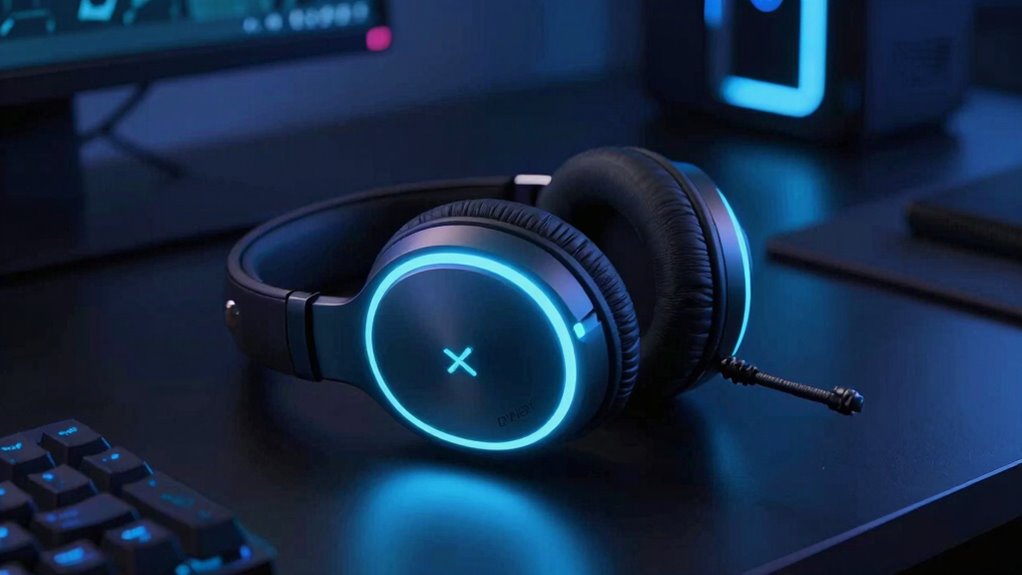
The EPOS I Sennheiser GSP 670 prioritizes low-latency wireless performance and clear in-game chat. Its closed-back, over-ear design remains durable but bulky, with limited long-session comfort. Audio favors gaming clarity over audiophile nuance, delivering solid spatial cues and a reliable mic with flip-to-mute practicality. Connectivity is strong via 2.4 GHz dongle and Bluetooth, though cross-platform support is uneven and bass handling is restrained. Battery lasts up to 20 hours, with rapid charge. More details await.
Design and Comfort
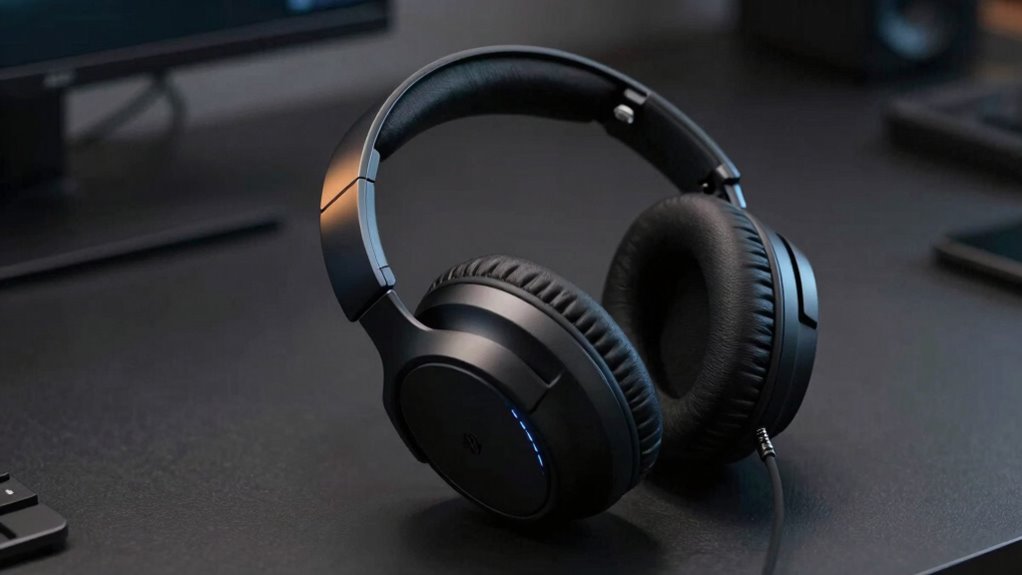
The EPOS Sennheiser GSP 670 adopts a closed, over-ear design aimed at reducing ambient noise while maintaining a compact profile. The construction presents a rigid, lightweight frame with a double-axis metal hinge that supports adjustable comfort without sacrificing stability. Material choices emphasize durability, though surface textures appear utilitarian rather than premium, impacting perceived value. The earpads use soft, leatherette material that offers decent isolation but may heat over extended sessions. The headband sliders provide predictable feedback, contributing to consistent fit. Overall, design aesthetics balance practicality and restraint, while material durability yields reliable performance under typical gaming use.
Audio Quality and Microphone Performance
How does the GSP 670 fare in sound reproduction and microphone clarity, given its wireless design and DSP features? The headset delivers crisp vocal intelligibility and solid spatial cues through digital processing, but overall tonal balance remains conservative rather than expansive. The 7.1 suite provides position cues with limited immersive impact, and treble can feel restrained in fast exchanges. Microphone performance is reliable, yet the flip-to-mute mechanism and boom mic aesthetics suggest a utilitarian approach over pristine capture. Design critique highlights a capable, practical profile, while audio fidelity prioritizes gaming clarity over audiophile nuance.
Connectivity, Battery Life, and Software
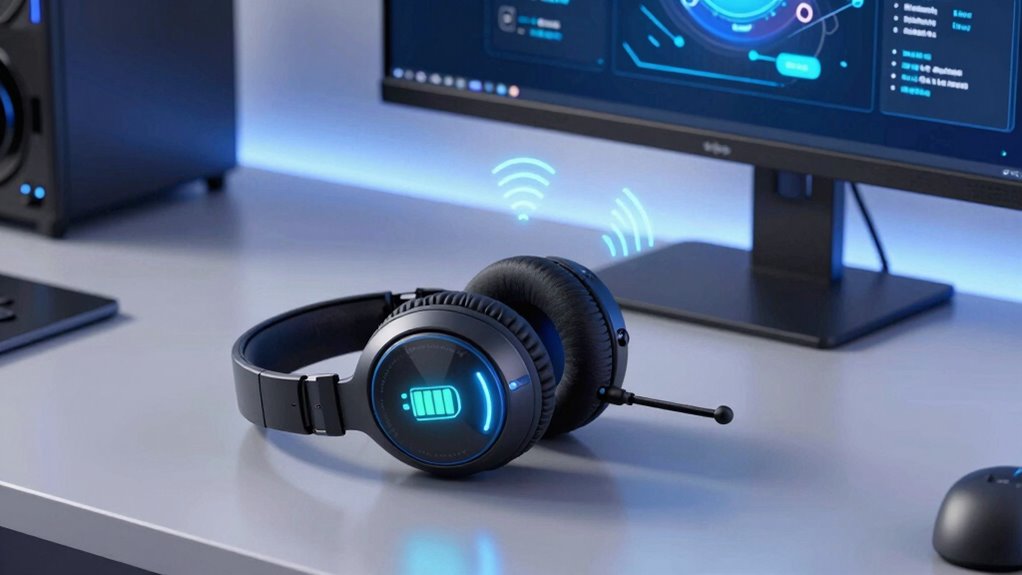
Connectivity for the GSP 670 hinges on a low-latency, lossless Bluetooth link and a dedicated USB dongle (GSA 70) that together stabilize wireless performance across PC, Mac, PS4, and mobile devices. The arrangement yields acceptable wireless stability, though performance fluctuates with lighting, interference, and concurrent dongle use. Sound isolation remains solid due to closed-back construction, yet external noise can intrude in louder environments. Battery life sits at up to 20 hours per charge, with rapid 7-minute fills delivering about two hours of play. Software integration provides customization, though the suite can feel optional rather than essential for core functionality. Overall, connectivity is dependable but not flawless.
Platform Compatibility and Use Cases
Platform compatibility for the GSP 670 centers on cross‑device Bluetooth and USB dongle support, enabling use with PC, Mac, PS4, and mobile devices while excluding Xbox One and Nintendo Switch.
The headset pairs through a stable 2.4 GHz dongle for PC and PS4, and Bluetooth for mobile platforms, broadening use cases beyond gaming to multimedia tasks.
While compatibility is strong across primary platforms, limitations arise with console diversity and driver availability on Mac.
Use cases include competitive gaming, casual play, and productivity audio.
Pros, Cons, and Verdict
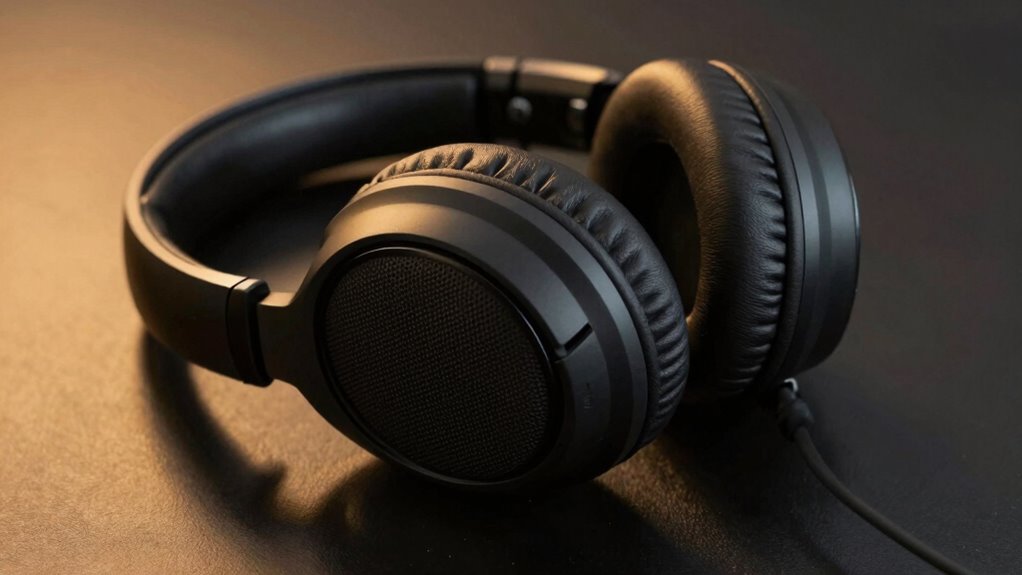
Overall, the EPOS I Sennheiser GSP 670 delivers solid wireless performance and strong sound for gaming, though its platform limitations and comfort trade-offs temper its appeal. Pros include reliable low-latency Bluetooth, effective noise cancellation, and clear chat/game mixing.
Cons center on limited cross-platform support, bulky design, and average comfort for long sessions. The 20-hour battery and fast charging are strengths, but the lack of Xbox compatibility reduces audience reach.
Prospective pricing remains a factor for value-focused buyers, while competitor comparison shows stronger options in broader ecosystem compatibility and lighter builds, potentially offering better long-term versatility.
Verdict: balanced, but edged toward niche PC/PS users.
Conclusion
The EPOS I Sennheiser GSP 670 demonstrates solid comfort and durable build, with respectable audio and a clear, noise-canceling mic. Its dual connectivity (wireless USB dongle and Bluetooth) offers flexible use, though some may find the soundstage narrow for certain games. Battery life is competitive, and the flip-to-mute mic is practical. Platform versatility covers Windows and PlayStation, but setup can be fiddly for some. Overall, a competent, targeted choice for competitive gamers prioritizing clarity and reliability.