
Google Nest Wifi offers reliable mesh performance with a compact, unobtrusive hardware footprint. Setup is straightforward via an in-app flow, with a primary router connected to the modem and satellites extending coverage. The system scales by adding more Nest devices and maintains steady throughput for multiple 4K streams and gaming, with strong coverage in open spaces and some gaps behind thick walls. Real-world performance remains consistent, though data freshness and expectations should be considered as you expand. More details await.
Design and Hardware Overview
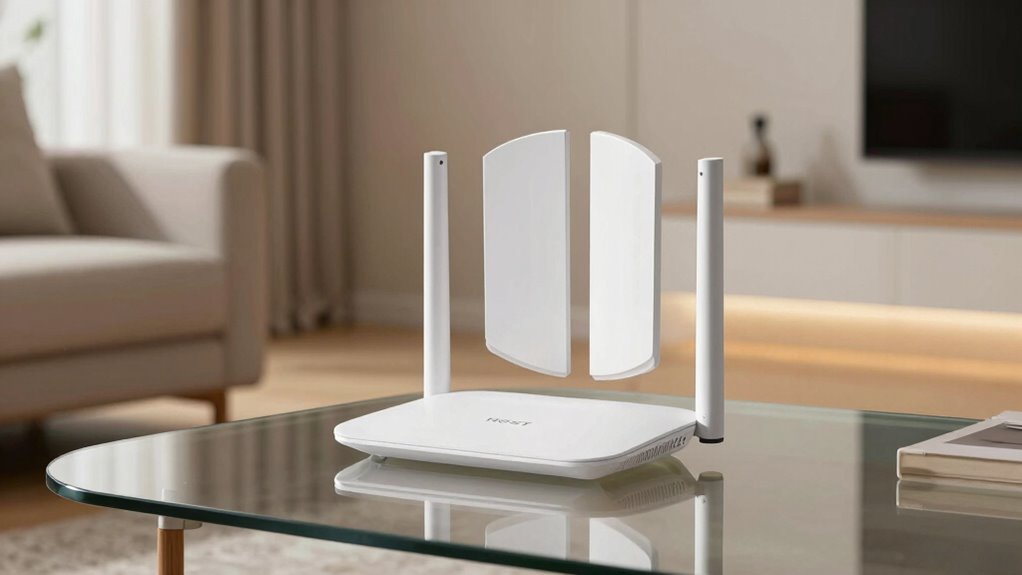
The Google Nest Wifi system emphasizes a clean, practical hardware approach designed to blend into home setups while delivering reliable coverage. The design emphasizes compact hardware with unobtrusive exteriors, minimizing visual disruption in living spaces. Each unit presents a simple silhouette and discrete finish, aligning with residential aesthetics while prioritizing placement flexibility. Internally, the system prioritizes reliability through sturdy construction and consistent thermal management, contributing to hardware durability over prolonged use. Ports are straightforward, supporting Ethernet-backed connections without complicating setup.
Setup Process and Ease of Use
Setting up Google Nest Wifi is straightforward and user-centered, guiding users from unboxing to a functioning network with minimal steps. The process emphasizes setup ease via a guided in-app flow that prompts device placement and connection checks. The primary router is plugged into the modem, then the satellite extends coverage, with each unit featuring Ethernet ports for wired devices. App usability remains consistent across platforms, delivering clear status indicators, simple password sharing for guest access, and straightforward parental controls. Automatic updates occur silently in the background, preserving performance. Overall, the setup process is efficient, with minimal configuration required beyond network naming and security preferences.
Coverage, Speed, and Capacity

Google Nest Wifi delivers broad coverage up to 4,400 square feet with two routers, and scalable expansion by adding more Nest devices. The system maintains robust performance across typical home layouts, supporting multiple 4K streams and numerous connected devices. In practice, coverage remains consistent in open spaces, though occasional coverage gaps may appear behind thick walls or in far corners of large residences.
Speed remains stable under typical loads, with throughput preserved as devices shift between nodes. Power consumption is modest for a mesh setup, contributing to reasonable operating costs. Overall, capacity and coverage align with the product’s design goals, delivering reliable reach.
Features That Improve Wi-Fi Experience
Features that improve Wi-Fi experience include thoughtful design elements and software tools that optimize performance in real time. The system leverages designed hardware placement, self-optimizing background activity, and app-based controls to sustain speeds as users move through spaces. Device prioritization and guest networks address congestion and usability without manual tweaks. Parental controls add time management without compromising core performance. Marketing claims about seamless coverage are tempered by potential design flaws, such as real-world variability in signal propagation and interference. Overall, the combination of hardware signaling and software orchestration aims to sustain reliability, though users should assess practical coverage against promises.
Real-World Performance and Verdict
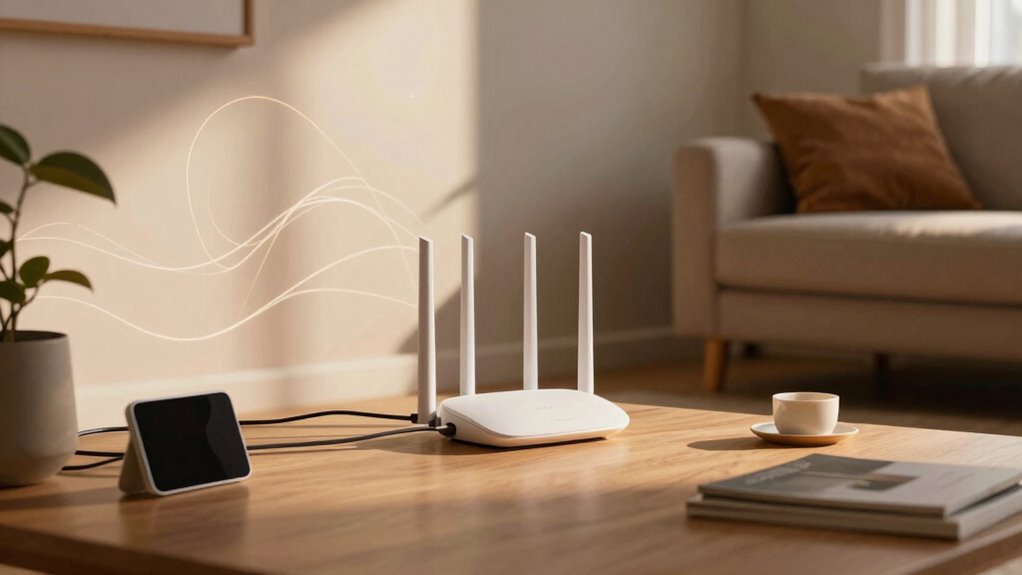
Real-world testing shows Nest Wifi delivers consistent mesh performance across typical home layouts, though outcomes vary with age of infrastructure and environmental factors. The system generally maintains strong coverage with minimal drop-offs between units, and throughput remains suitable for multiple 4K streams and gaming when placed according to guidelines.
In larger or architecturally challenging homes, performance depends on initial modem speed and wall materials, not the mesh itself. The verdict: reliable, predictable performance with simple expansion. However, unrelated topic influences perceived value, and stale data can mislead future expectations unless updated benchmarks accompany firmware changes.
Conclusion
Nest Wifi delivers dependable, easy-to-use mesh coverage with solid real-world performance. The two-pack setup remains straightforward, and the system scales gracefully with additional nodes. Speeds are consistent across typical consumer workloads, and features like guest networks, device prioritization, and parental controls add practical value without complicating use. While not the fastest option on the market, its reliability, simple management, and strong compatibility make it a strong choice for households prioritizing steady connectivity and straightforward expansion. Overall, a balanced, user-friendly mesh solution.