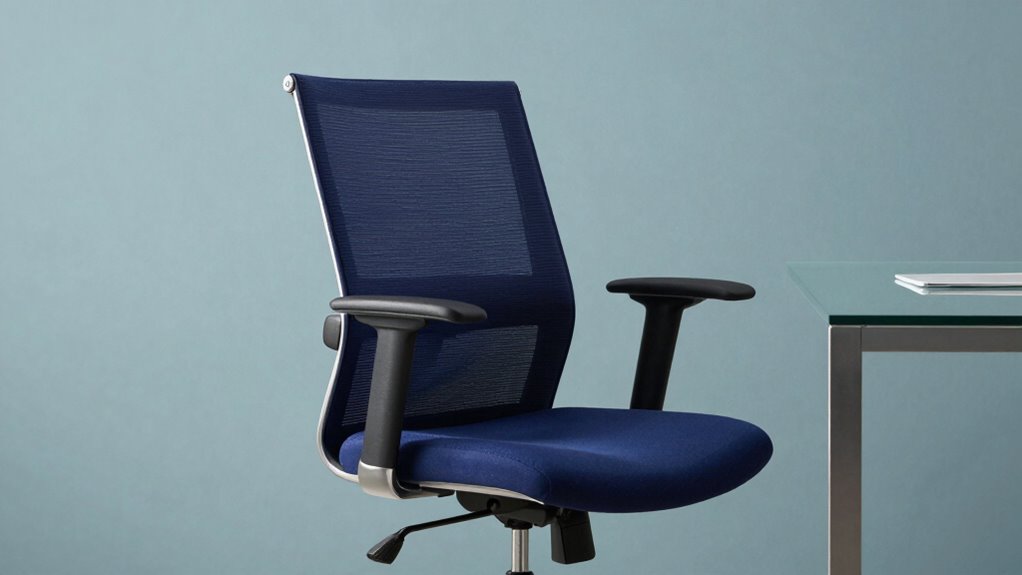
The Embody in Berry Blue Balance is presented with an evidence-based ergonomic philosophy. It emphasizes a layered pressure distribution and natural movement, backed by input from physicians and biomechanics PhDs. The backrest aligns with spinal biomechanics, with a central axis and flexible ribs for neutral posture and adaptable lumbar support. Pixelated support enables micro-movements and even weight dispersion, while four-layer seating enhances airflow. Practical features, modular construction, and a warranty frame its durability; further details reveal how these claims hold up.
Design Philosophy and Medical Endorsement
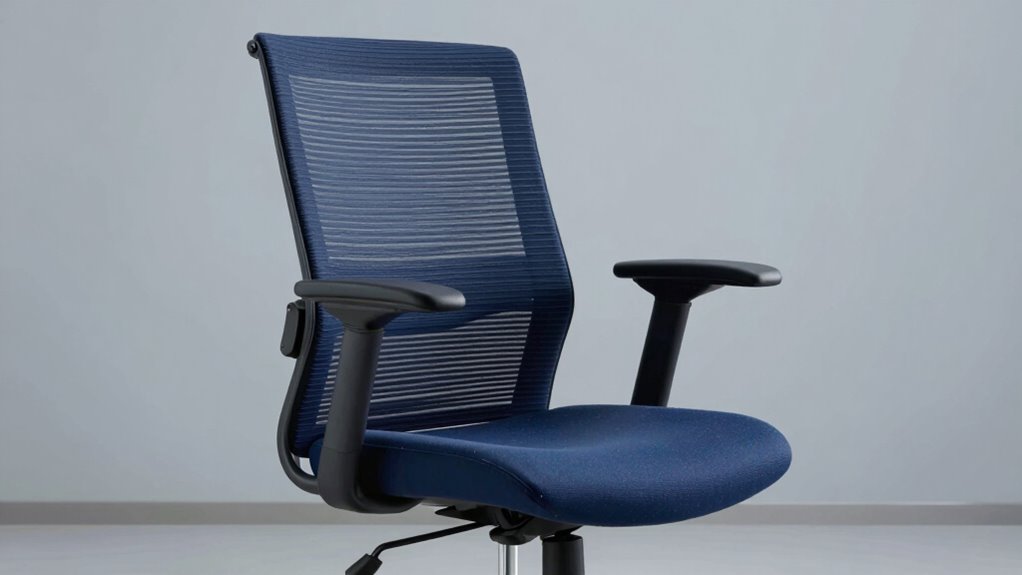
Herman Miller frames Embody around an evidence-based ergonomic philosophy, drawing guidance from more than 20 physicians and biomechanics PhDs to set a benchmark in support and alignment. The design articulates a layered approach to pressure distribution and natural movement, aiming for measurable biomechanical benefits.
However, the narrative of medical endorsement occasionally lacks transparent citation of specific studies, inviting questions about the strength and scope of claims.
The brand leverages credibility through institutional associations and formal testing, yet “unclear ergonomics” remains a risk if readers misinterpret generalized assurances as universal outcomes.
Fit, Back Support, and Adjustability
The Fit, Back Support, and Adjustability section examines how Embody’s backrest aligns with spinal biomechanics and adapts to movement. The design mimics a human spine with a central axis and flexible ribs, enabling neutral, balanced posture during shifts in stance or angle. Backfit adjustment supports individualized lumbar alignment while maintaining consistent contact. Automatic adaptation to movement preserves lumbar support without discontinuities, though perceived resistance varies with user weight and initial posture.
Ergonomics validation appears selective, emphasizing dynamic response over static tolerances. Lumbar adaptability remains a strength, yet users may seek finer control on extreme recline and deeper seat-depth adjustments.
Pixelated Support and Sitting Experience
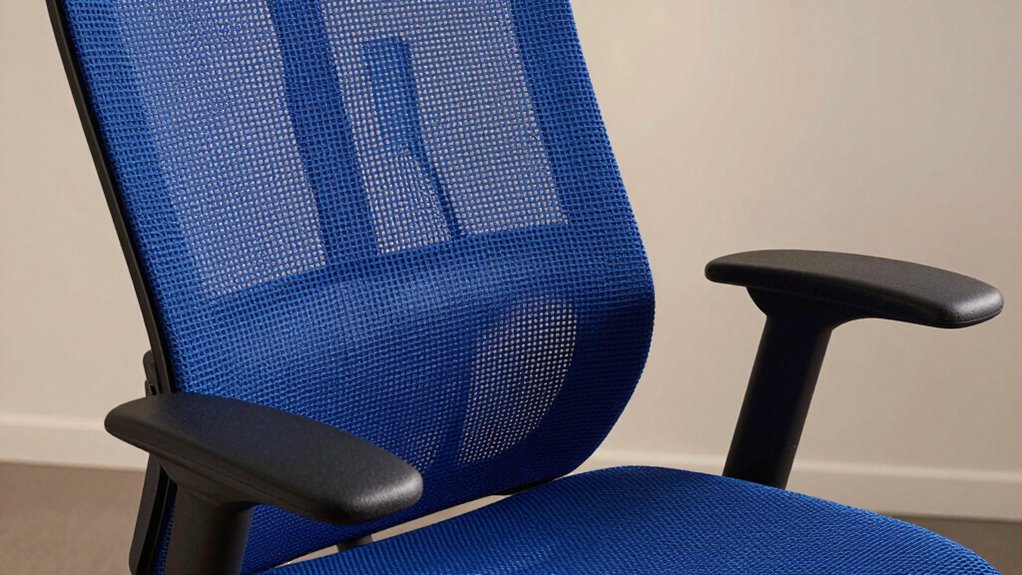
Pixelated support comprises a dynamic matrix of individual pixels embedded in both seat and back surfaces, enabling micro-mMovements to be accommodated and weight to disperse evenly. The approach is analytical: localized compliance targets pressure points while preserving structural integrity. In practice, pixels respond to small shifts, maintaining contact without creating focal pressure zones, which can reduce numbness during lengthy sessions. The sitting experience benefits from continuous micro-adjustment rather than rigid contours, promoting steady circulation and alertness. However, pixel density and response latency influence perceived immediacy; excessive micro-movements may feel secondary to overall posture. Overall, pixelated support supports balanced seating without sacrificing stability.
Materials, Build, and Aesthetics
Four-layer seat construction integrates distinct materials and manufacturing processes to optimize airflow and cooling, while the Embody’s visible technology reinforces design intent rather than concealment. The build emphasizes modularity and durability, with a graphite frame and discrete engineering that mirrors the chair’s functional philosophy.
Aesthetics align with Berry Blue Balance, presenting colorway contrast that remains understated rather than ornamental. Materials choices support sustained comfort and breathability, though macro-design emphasis centers on mechanical integration over ornamentation.
Warranty specifics are clear, detailing coverage terms and service expectations; however, practical longevity depends on usage patterns and routine maintenance rather than cosmetic appeal or speculative durability.
Practical Features and What You Get
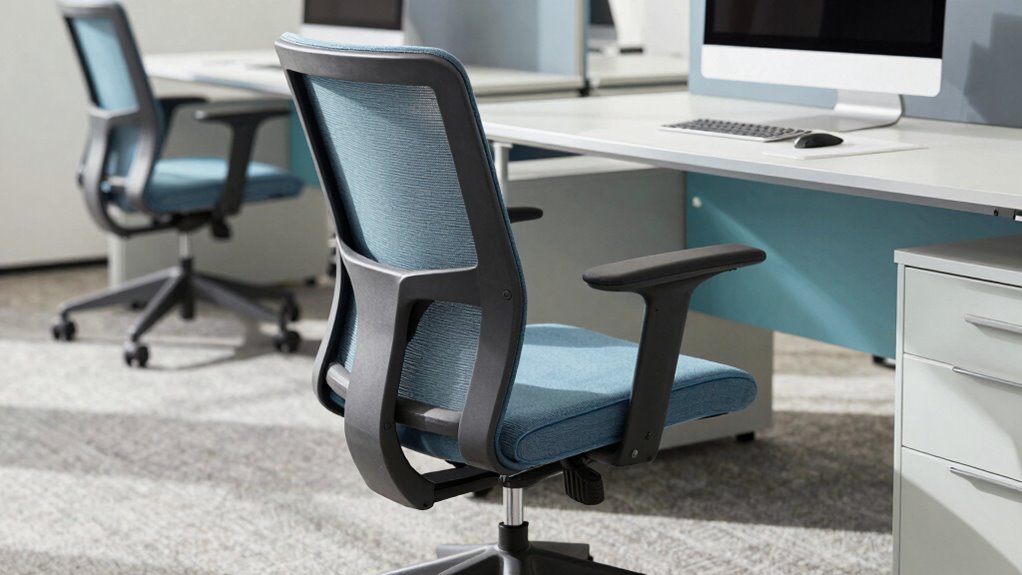
Practical features on the Embody emphasize full adjustment capability and durable components: adjustable arms, carpet casters, and a graphite base and frame contribute to versatile positioning and stable operation, while Black arm pads maintain a cohesive aesthetic.
The design supports precise user customization without sacrificing consistency across uses, enabling repeatable posture alignment and effortless transition between tasks.
Material choices reinforce longevity, with modular components simplifying maintenance and replacement. Color options surface mainly as a cosmetic variable, while warranty terms provide coverage clarity for structural integrity and wear.
Conclusion
The Embody chair presents a disciplined synthesis of biomechanics and modular support, grounded in medical collaboration. Its Backfit alignment and pixelated seat promise adaptive pressure relief across postures, yet real-world benefits hinge on individual anatomy and usage patterns. While materials and airflow support long sessions, the design’s complexity may challenge maintenance and cost. Overall, it stands as a rigorous ergonomic benchmark, delivering thoughtful adjustability and sustained support, though not immune to typical ownership trade-offs.