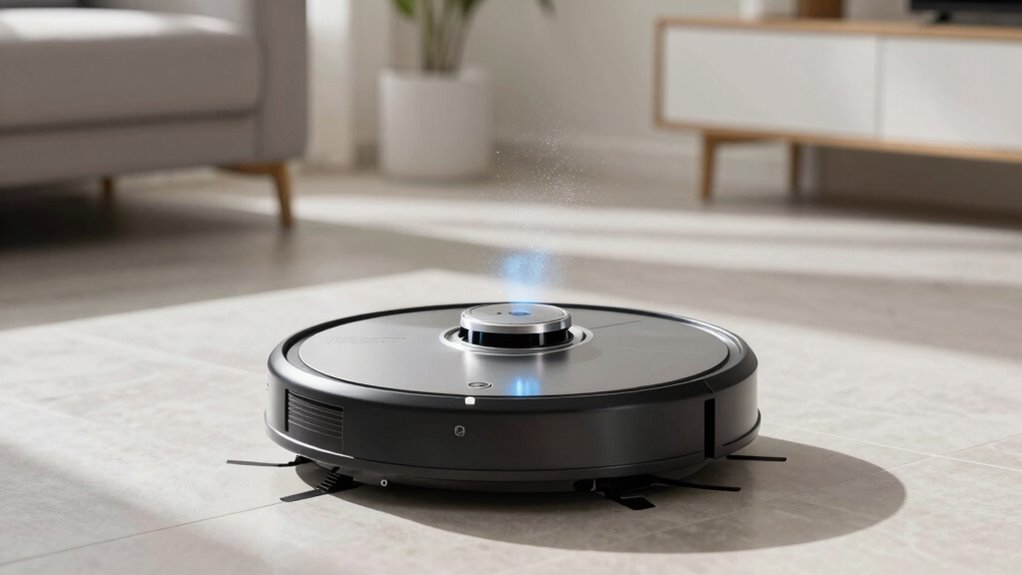
The Roomba i7+ (7550) offers a compact chassis with a central 360-degree camera and accessible maintenance. It pairs automatic dirt disposal with a conventional vacuum form factor, though reliability hinges on bin seals and bag integrity. Its strong mapping and zone-control support deliberate cleaning, while boundary drift can occur with furniture changes. Power delivery remains steady across carpet and hard floors, with incremental firmware-driven improvements. More nuance about long-term performance awaits beyond this overview.
Design and Dirt Disposal Features
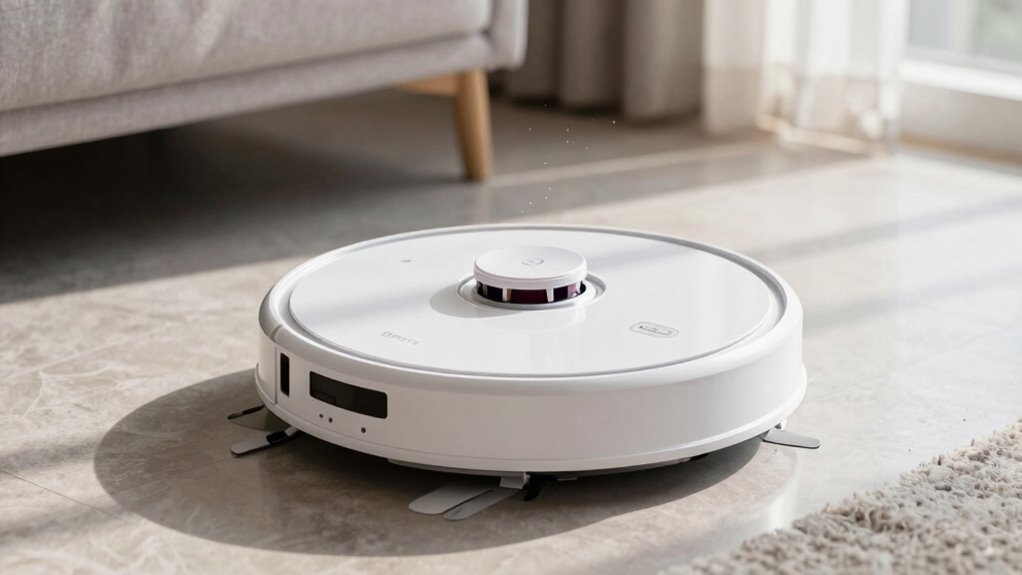
The Roomba i7+ (7550) integrates a compact, cylindrical chassis with a central 360-degree camera and sensors for navigation. The design emphasizes modular components and accessible maintenance, but the overall form remains conventional for robotic vacuums. In evaluating design aesthetics, the device presents a restrained silhouette that prioritizes compactness over flamboyance, with a polished surface that tolerates fingerprints modestly. The dirt disposal mechanism is a defining feature, enabling automatic emptying; however, its reliability hinges on bin seals and bag integrity, which can impact odor control and airflow.
Smart Mapping, Navigation, and Zone Control
Roomba i7+ (7550) uses a robust sensor array and a central 360-degree camera to build detailed maps of living spaces, enabling deliberate planning of cleaning routes. The system’s smart mapping is presented as adaptive, but the underlying logic relies on predefined zones and recentralized localization, not universal spatial understanding. Zone control allows users to designate areas for cleaning or exclusion, though effectiveness depends on consistent room features and occasional recalibration. Navigation aims for repeatable coverage, yet boundary definitions may drift with furniture changes or lighting shifts. In practice, smart mapping and zone control offer structured flexibility, with predictable, incremental improvements over time.
Performance, Maintenance, and Future-Ready Intelligence
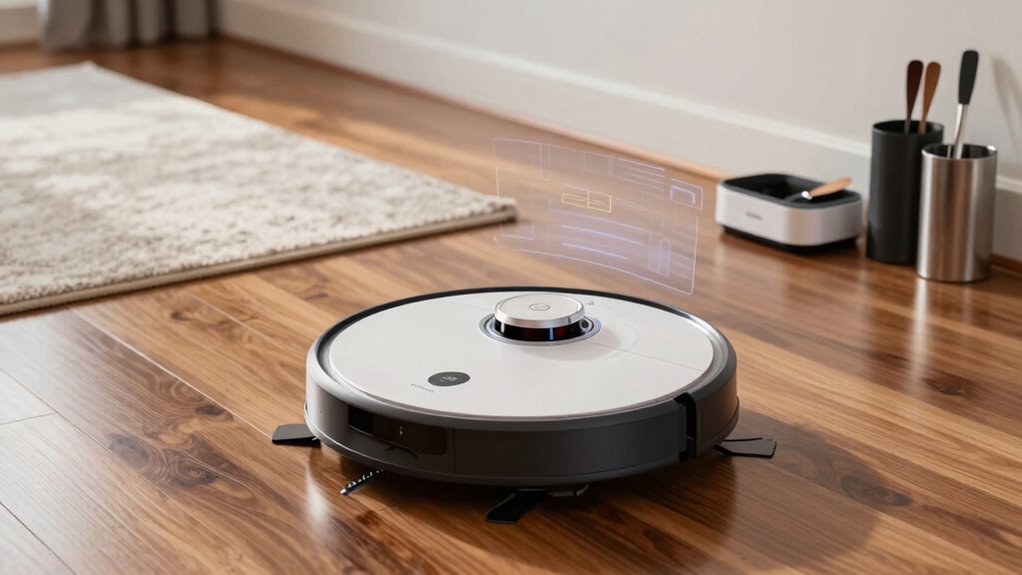
How effectively does the i7+ sustain cleaning performance and adapt to evolving tasks? The evaluation tracks sustained power, adaptability, and maintenance demands. Performance remains consistent across carpet and hard floors, aided by Smart Mapping and selective cleaning zones, yet occasional re-calibration is required after filter or bin maintenance events.
Design aesthetics influence perceived reliability, though functional components prevail over appearance. Maintenance tasks center on bin maintenance and filter care; neglect degrades suction and autonomy.
Future-ready intelligence is incremental, not revolutionary, requiring firmware updates to access new features.
Conclusion
The i7+ offers compelling conveniences—self-emptying, robust mapping, and multi-surface competence—yet these benefits come with caveats. Maintenance remains ongoing, and software updates are essential for sustaining performance, not guaranteed enhancements. Zone control and Keep Out features prove practical but not revolutionary; real-world reliability hinges on sensor consistency and bin-fill cadence. While intelligent, the device delivers incremental value rather than a transformative upgrade, centering on convenience over clear, enduring performance gains for diverse, evolving homes.