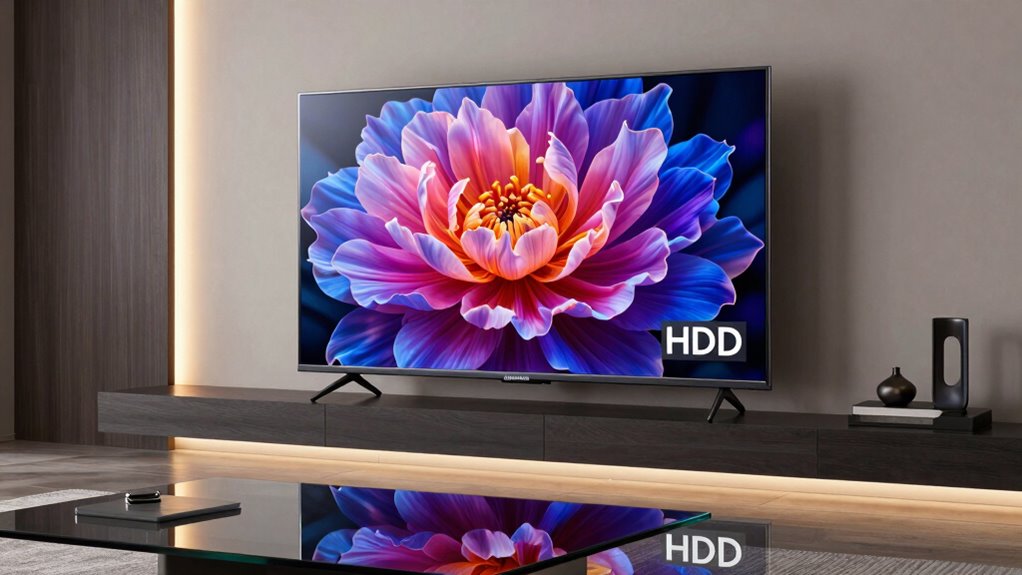
The Samsung 65-inch QN95C Neo QLED 4K TV offers premium build quality with a rigid chassis and minimal panel-to-stand variances. It delivers strong contrast and bright HDR, aided by mini-LED dimming, with deep blacks in dim scenes and occasional light blooming. The Tizen interface is fast, though deeper settings can be hard to discover. Gaming is responsive with low input lag, and upscaling remains solid. Sound is clear for a TV, with broad connectivity. More details wait beyond this overview.
Design and Build Quality
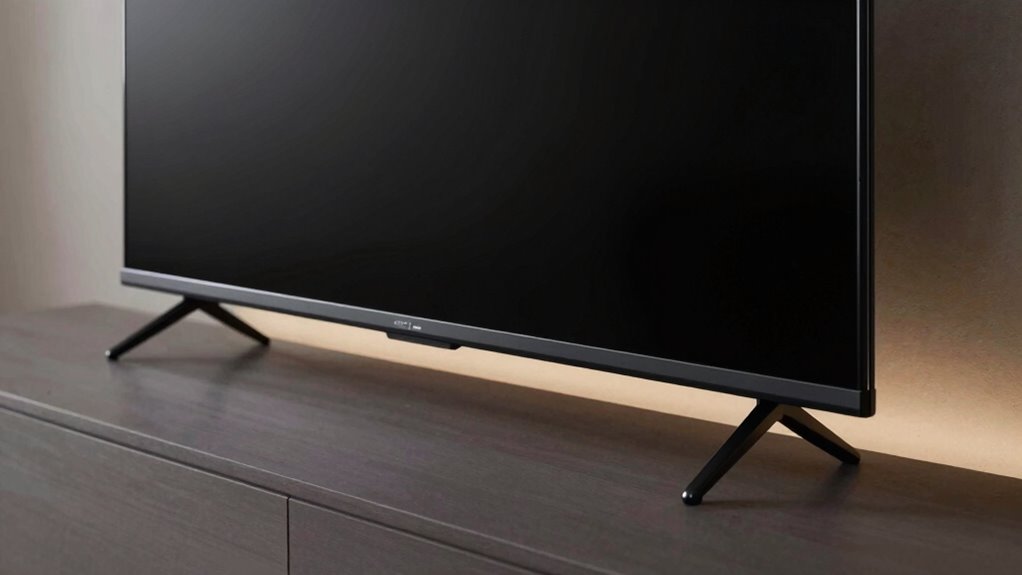
The Samsung 65-in QN95C Neo QLED presents a straightforward, premium silhouette with a flat panel and minimal bezel. The review assesses design and build quality through a detached lens, noting material choices and assembly consistency. The chassis emphasizes rigidity, yet attention to fit between the panel and stand reveals minor misalignments in some units. Design flaws appear as subtle edge gaps and surface reflections under certain lighting. Build integrity remains solid overall, with stable support and durable housing suggested by weight and dimension specifications. In summary, aesthetics align with premium positioning, while manufacturability shows typical Neo QLED constraints rather than systemic faults.
Picture Performance and Contrast
The Samsung 65-in QN95C Neo QLED delivers strong contrast and bright HDR performance, though results vary with content and viewing conditions.
Overall brightness remains ample, with deep blacks visible in dim scenes thanks to mini-LED dimming precision.
In HDR material, highlights can reach impressive peak levels, but some shots show limited global dimming, reducing shadow detail in cinematic sequences.
Color accuracy stays solid, though a few hues read slightly cooler on certain panels.
The experience is generally consistent, yet an irrelevant quirk can occur: minor blooming around bright reflections.
Stray artifact occurrences are rare but possible at extreme viewing angles.
Smart TV Features and UX
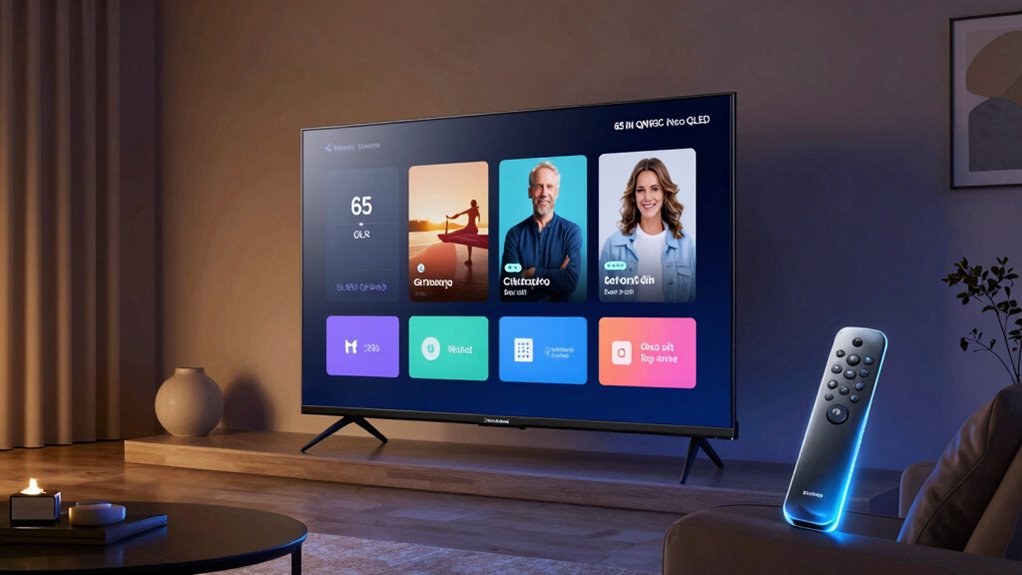
Smart TV features on the Samsung 65-in QN95C Neo QLED center on a robust Tizen-based interface that emphasizes speed, app breadth, and integration with Samsung’s ecosystem. The UX is optimized for quick navigation, with a simplified home screen and responsive remotes, though certain design flaws impede discovery of deeper settings. App availability is broad, but select services require account logins and periodic re-authentication. Onboarding is straightforward for new users, yet some menus lack contextual tips, creating minor friction. Overall, the system offers cohesive smart functionality, though improved guidance during setup and clearer menu labeling would enhance user onboarding.
Gaming and HDR Capabilities
Across gaming, the Samsung 65-in QN95C Neo QLED delivers strong performance with low input lag and responsive motion handling, aided by its 4K resolution and adaptive synchronization features. The panel maintains crisp details during fast action, though peak brightness can vary with HDR content. Its gaming HDR support enhances contrast and color while preserving local dimming benefits, resulting in solid highlight reproduction without noticeable bloom. Color accuracy remains stable across genres, and upscaling keeps legacy titles readable.
Sound Quality and Connectivity
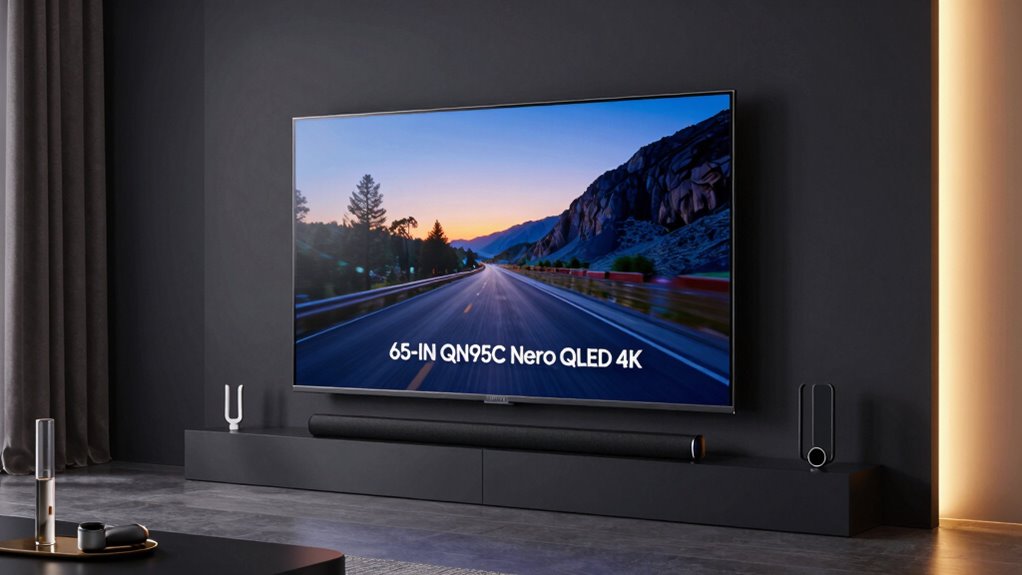
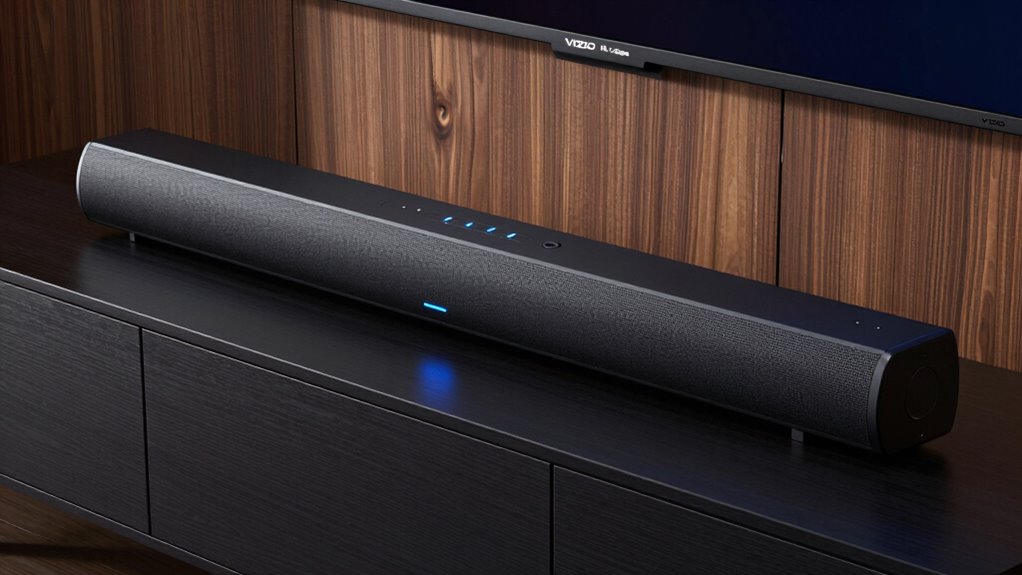
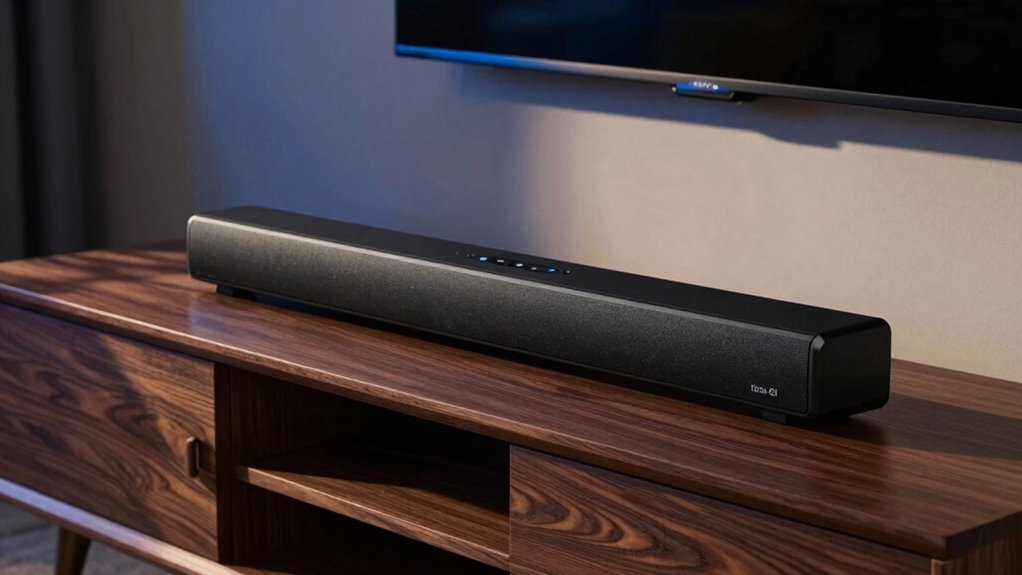
Sound quality on the Samsung 65-in QN95C Neo QLED combines built-in speakers with objective improvements from its design, yielding solid midrange clarity and reasonable bass for a television of this class. The overall sound profile remains balanced, though lacking in deep low end compared with dedicated audio setups. Dialog remains clear at typical TV volumes, and the system handles varied content without harshness.
Connectivity options are straightforward, supporting HDMI ARC/eARC, Bluetooth, and optical output for external soundbars. User adjustments, including preset modes and adaptive volume, help tailor experience without introducing noticeable latency or distortion.
Conclusion
The Samsung QN95C offers strong overall performance within the Neo QLED tier, delivering bright, accurate SDR and compelling HDR highlights with solid contrast for a LED-based panel. Its gaming latency is competitive, and motion handling remains strong, aided by robust upscaling and a polished smart interface. However, premium pricing and OLED-strong alternatives temper its value proposition. For buyers prioritizing brightness, a steady HDR experience, and reliable all-round performance, the QN95C remains a compelling, well-rounded option.