The Samsung HW-Q800B/ZA presents a compact, restrained chassis with matte black finish and precise panel gaps, emphasizing a utilitarian design and stable mounting. It delivers a balanced 5.1.2-channel soundstage with coherent Dolby Atmos cues and clear dialogue aided by Active Voice Analyzer. Calibration features like SpaceFit Sound and Acoustic Beam aid room tailoring, though results vary by space. Ecosystem ties—Q-Symphony and SmartThings—offer convenience but limit cross-brand compatibility. Those considering performance and integration will find substantial value, yet nuances warrant closer inspection.
Design and Build Quality
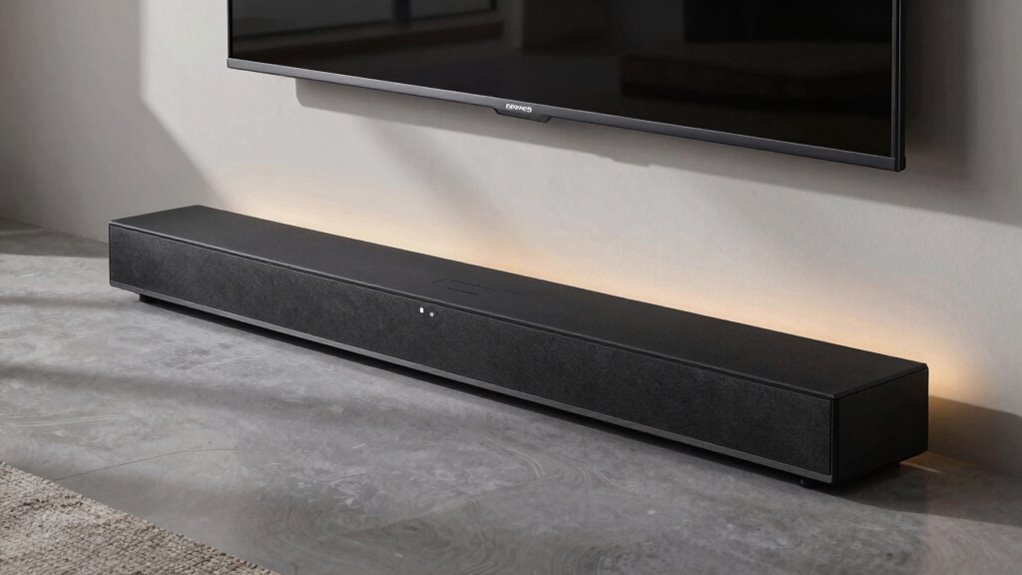
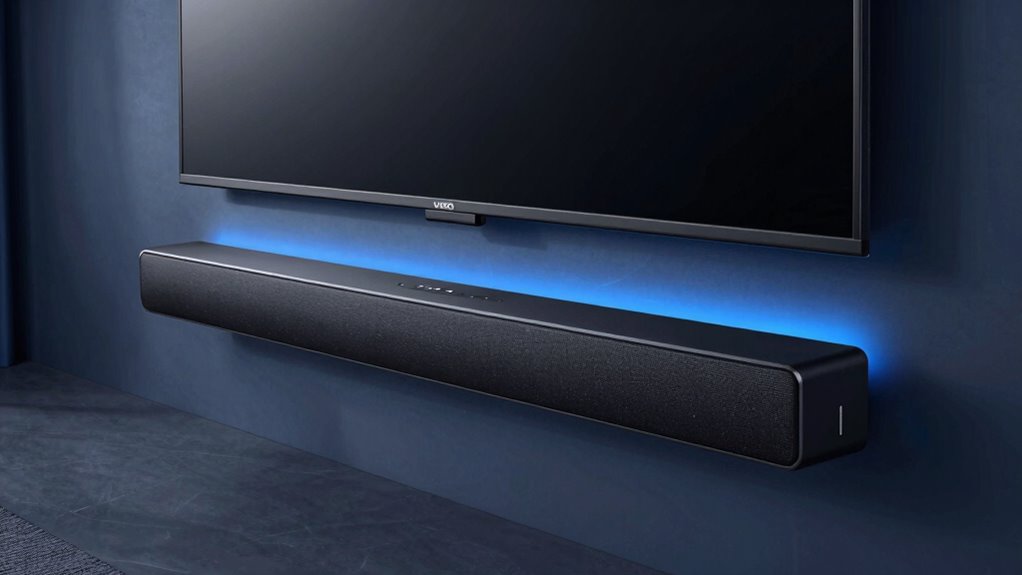
The Samsung HW-Q800B/ZA presents a compact, rectangular chassis that prioritizes a clean, unobtrusive appearance suitable for most living rooms. The design aesthetics emphasize minimal visual footprint, with a matte black finish and precise edges that read as purposefully utilitarian rather than ornamental. Build durability is evident in rigid enclosure and reinforced mounting points, supporting stable wall or shelf placement. Detailing favors restrained branding and consistent panel gaps, contributing to a cohesive, stock-in-trade appearance. Weight distribution appears balanced, reducing tip risk when mounted.
Sound Performance and Cinematic Impressions
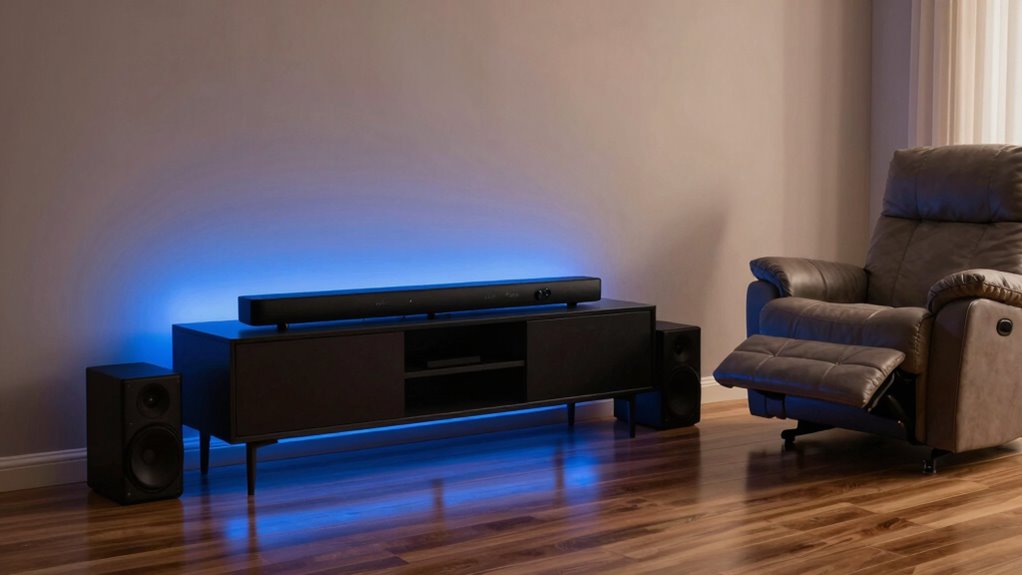
The Samsung HW-Q800B/ZA delivers a surprisingly immersive sonic presentation for a 5.1.2-channel setup, balancing height and width channels with measured precision to produce coherent Dolby Atmos effects without excessive splash.
The soundstage remains controlled, with directional cues that feel purposeful rather than theatrical. Dialogue remains intelligible, aided by Active Voice Analyzer, though some rooms reveal subtle timing gaps between up-firing and side channels during rapid spatial moves.
For gaming immersion, the system maintains tight synchronization with on-screen action, while cinematic scores benefit from solid low-end heft. Overall tonal balance favors clarity, accuracy, and restrained dynamics that avoid fatigue and distortion.
Advanced Technologies and Room Calibration
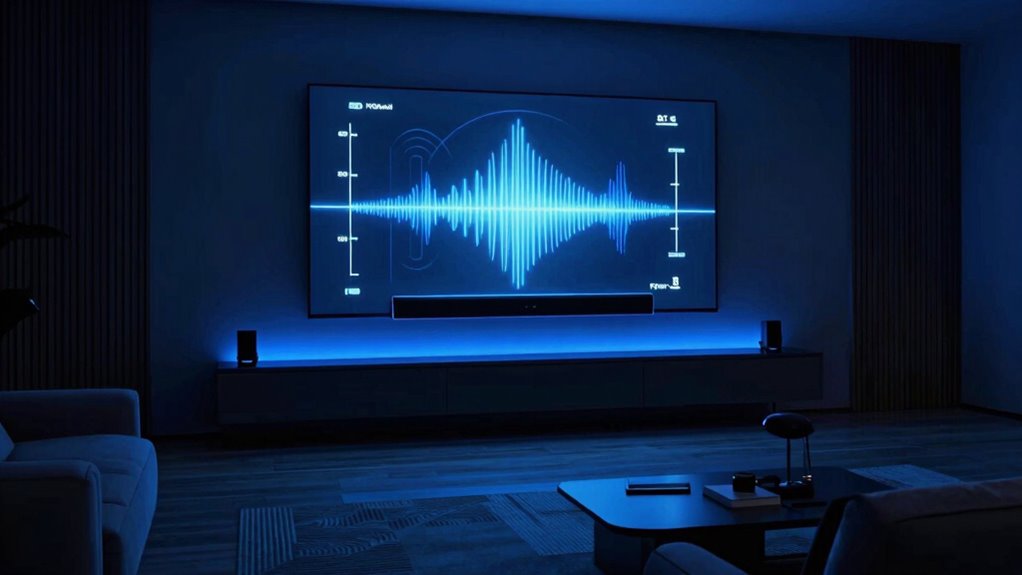
Samsung’s system combines SpaceFit Sound, Acoustic Beam, and Active Voice Analyzer to optimize playback within a given room.
The Advanced Technologies section assesses calibration accuracy, algorithm transparency, and sensory feedback from SpaceFit analyses.
In practice, SpaceFit can tailor EQ and channel balance, but results vary by room geometry and furnishings, exposing design flaws in universal applicability.
Acoustic Beam’s up-firing array contributes to vertical imaging yet may collide with wall reflections in tight spaces.
Budget constraints influence feature access and firmware refinements, limiting long-term optimization.
Connectivity, Features, and Ecosystem Integration
A key aspect of the Q800B/ZA’s appeal lies in how its wireless and smart features cohere with broader home setups. The integration is competent but not flawless, with occasional latency in AirPlay 2 and uneven Q-Symphony timing when paired with a compatible Samsung TV. Voice assistant functionality is practical, yet dependent on regional service availability and app permissions. Tap Sound offers convenience, but requires SmartThings ecosystem alignment and may distract from core audio fidelity. Design flaws surface in the plastic chassis showing fingerprints and a limited color options palette, constraining aesthetic cohesion with other devices. Overall, ecosystem integration is solid but not exemplary.
Value, Pros, and Final Thoughts
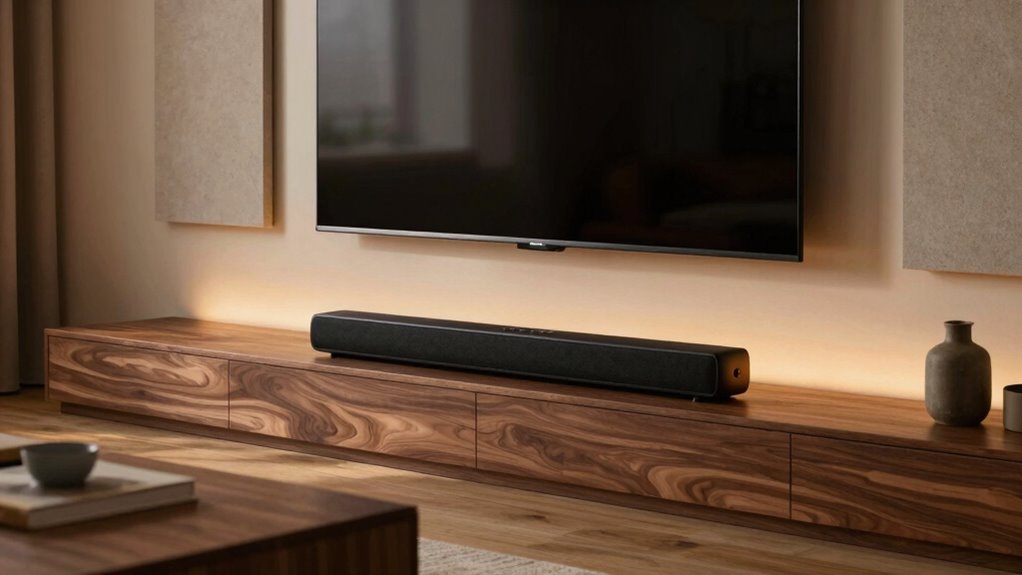
Overall, the HW-Q800B/ZA presents a balanced value proposition, delivering robust 5.1.2-channel sound and feature set at a competitive price point, while exposing trade-offs tied to ecosystem reliance and calibration quirks. From a critical stance, performance aligns with in-range Atmos bars, offering clear dialogue via Active Voice Analyzer and effective SpaceFit calibration, yet reliance on Samsung ecosystem for Q Symphony and SmartThings-driven features can limit cross-brand flexibility. Pros include immersive sound, solid build, and convenient controls; cons include partial feature penetration outside Samsung devices and occasional calibration drift. Practical value emerges in two word discussion ideas: compatibility considerations, refinement opportunities. Final assessment: solid, not flawless.
Conclusion
The Samsung HW-Q800B/ZA delivers a convincing midrange 5.1.2 setup with immersive Atmos effects and solid bass, yet it stops short of true flagship performance. Its room calibration and SpaceFit features improve alignment, and Q-Symphony pairing with a wireless sub offers coherent soundstage in practical spaces. Nevertheless, it trails pricier rivals in dynamics, dialogue clarity, and object-based precision. For owners seeking balanced, feature-rich versatility and ease of use, it represents solid value, albeit with tempered ceiling.