
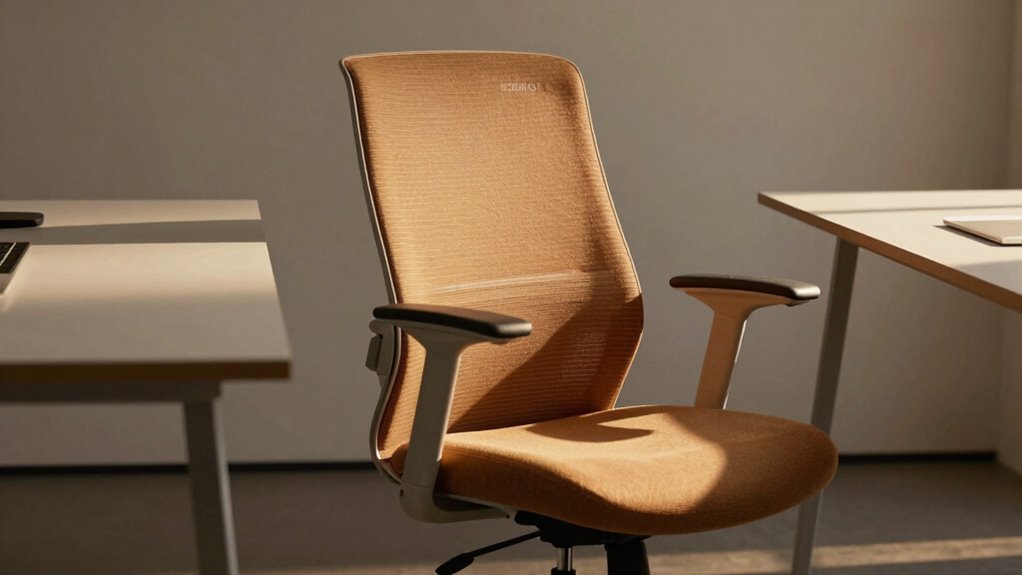
The Think Camel fabric chair presents a minimalist rectangular silhouette with a durable, modular frame. It offers weight-activated support and adaptive back flexion, aiming to sustain posture during long sessions. The upholstery pairs with a cradle-to-cradle approach, emphasizing recyclability and recycled content without compromising durability. Performance centers on dynamic balance for typing and meetings, with limited manual adjustments beyond height and armrests. Those seeking long-term comfort and sustainability may find nuanced benefits that warrant further exploration.
Design and Build: A Look at Think’s Craftsmanship
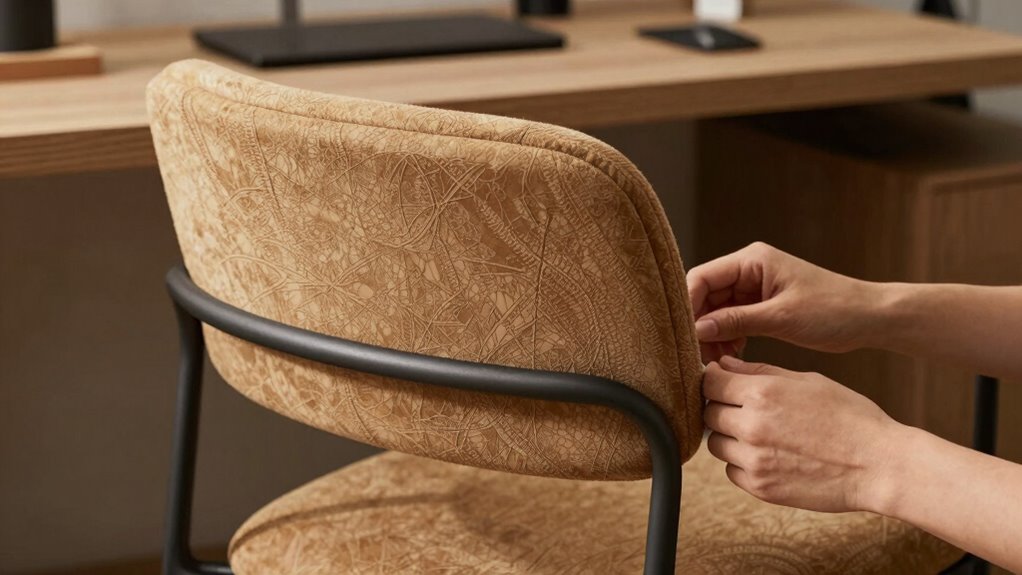
The Think chair embodies a minimalist yet purposeful silhouette, with a clean, rectangular base and a restrained blend of fabric and black performance components. The design presents a disciplined union of form and function, where proportions support stability and ease of movement. Materials sourcing emerges as a central consideration, translating into durable fabric, robust frame, and a weight-conscious assembly. Craftsmanship is evident in the seam work, seamless transitions between back and seat, and the restrained polish of the arms. The result is a product that communicates restraint and reliability, prioritizing longevity over spectacle, while maintaining a modern, office-ready aesthetic.
Comfort and Ergonomics: How It Supports Long Hours
Steelcase Think Camel’s design facilitates extended use through a responsive, weight-activated system where the back flexors and seat flexors adapt in concert with the user.
The chair’s profile seat and back shape support spinal alignment and pelvis tracking, enabling sustained posture without constant adjustment.
Leaning prompts adaptive resistance, with weight-driven support that remains proportionate to body mass, promoting proper orientation to work tasks.
Manual tweaks are limited but intuitive, preserving a consistent experience.
Design considerations emphasize automatic comfort rather than reactive repositioning, while user comfort remains the central metric of performance, ensuring comfort across long sessions without distraction or fatigue.
Sustainability Attributes: Environmentally Responsible Craft
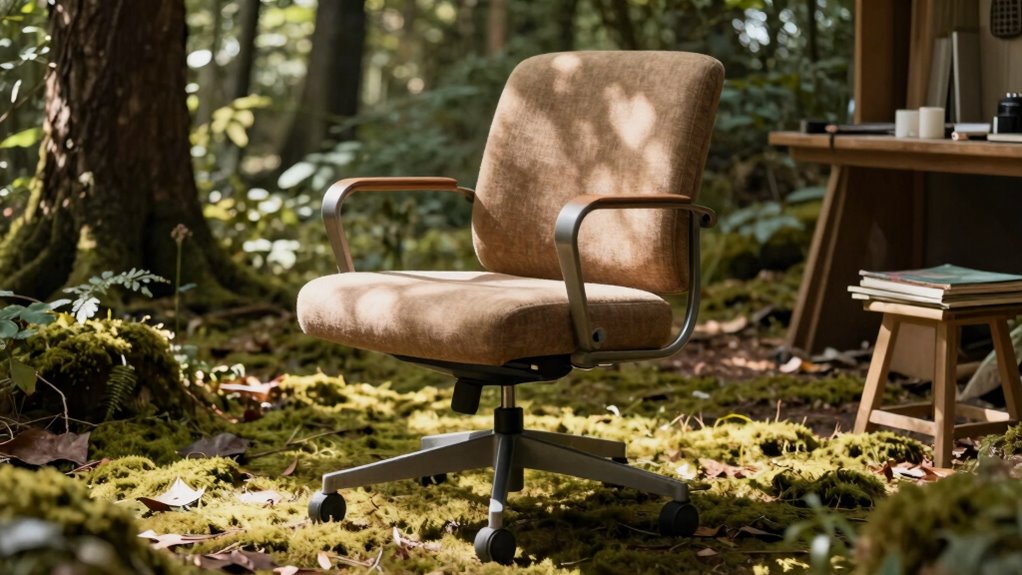
Is sustainability a design feature or a performance constraint? The Steelcase Think Camel fabric chair demonstrates deliberate environmental stewardship embedded in its core. The sustainability attributes are evident in high recyclability (up to 98 percent by weight) and substantial recycled content (as much as 37 percent), underscoring a cradle-to-cradle mindset. Environmentally responsible decisions extend across manufacturing regions in North America, Europe, and Asia, and through certifications such as Cradle-to-Cradle Gold and SCS Indoor Advantage. The result is a product that integrates ecological considerations without compromising function, aligning responsible craft with ergonomic performance. Overall, the chair exemplifies measurable, intentional environmental responsibility.
Performance and Practical Use: Real-World Office Scenarios
In real-world office settings, the Think Camel chair demonstrates how its weight-activated support and responsive back flexors adapt to varying tasks and users without tedious manual adjustments.
Its dynamic balance supports prolonged typing, video calls, and collaborative sessions, maintaining posture without constant readjustment.
The design highlights subtle performance gaps, such as occasional stiffness during rapid posture shifts and limited manual fine-tuning beyond height and arm movements.
Color accuracy remains dependable under typical lighting, though darker Camel upholstery can appear slightly warmer or lighter depending on ambient light.
Value and Availability: Pricing, Reviews, and Accessibility
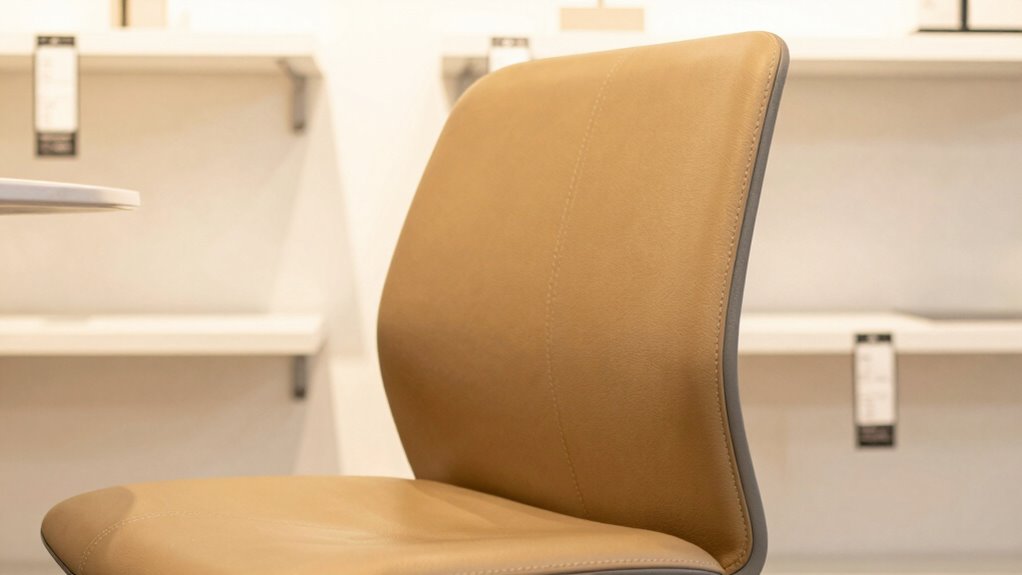
From the standpoint of market presence, the Think Camel chair occupies a globally distributed niche with price tracking and transparent consumer feedback features embedded in its listing. The pricing availability facet reflects moderate to premium positioning, justified by durable materials, weight-activated ergonomics, and cradle-to-cradle credentials. Accessibility reviews note intuitive adjustment mechanisms and clear assembly-free setup, enhancing user onboarding and long-term usability. Consumers frequently cite stable performance under 300 pounds and broad regional availability, while reviews emphasize environmental responsibility and recyclable content. Overall, the chair harmonizes value with accessibility, offering dependable information streams that support buying decisions and comparative evaluation.
Conclusion
The Think Camel fabric chair embodies a disciplined convergence of form, function, and sustainability. Its weight-activated dynamics and streamlined adjustments promise effortless, posture-supporting shifts during long work sessions, while the camel fabric and black base deliver a restrained, professional aesthetic. Significantly, its cradle-to-cradle credentials and recyclable content underscore a forward-thinking eco footprint. In real-world use, the chair balances ergonomic intent with practical durability, delivering steady performance at a competitive value point for desk-centric offices.